Your best influencers are already standing in your booth
Nobody believes a company saying its product is exciting. Everybody believes a person who cannot stop talking about the thing they built.
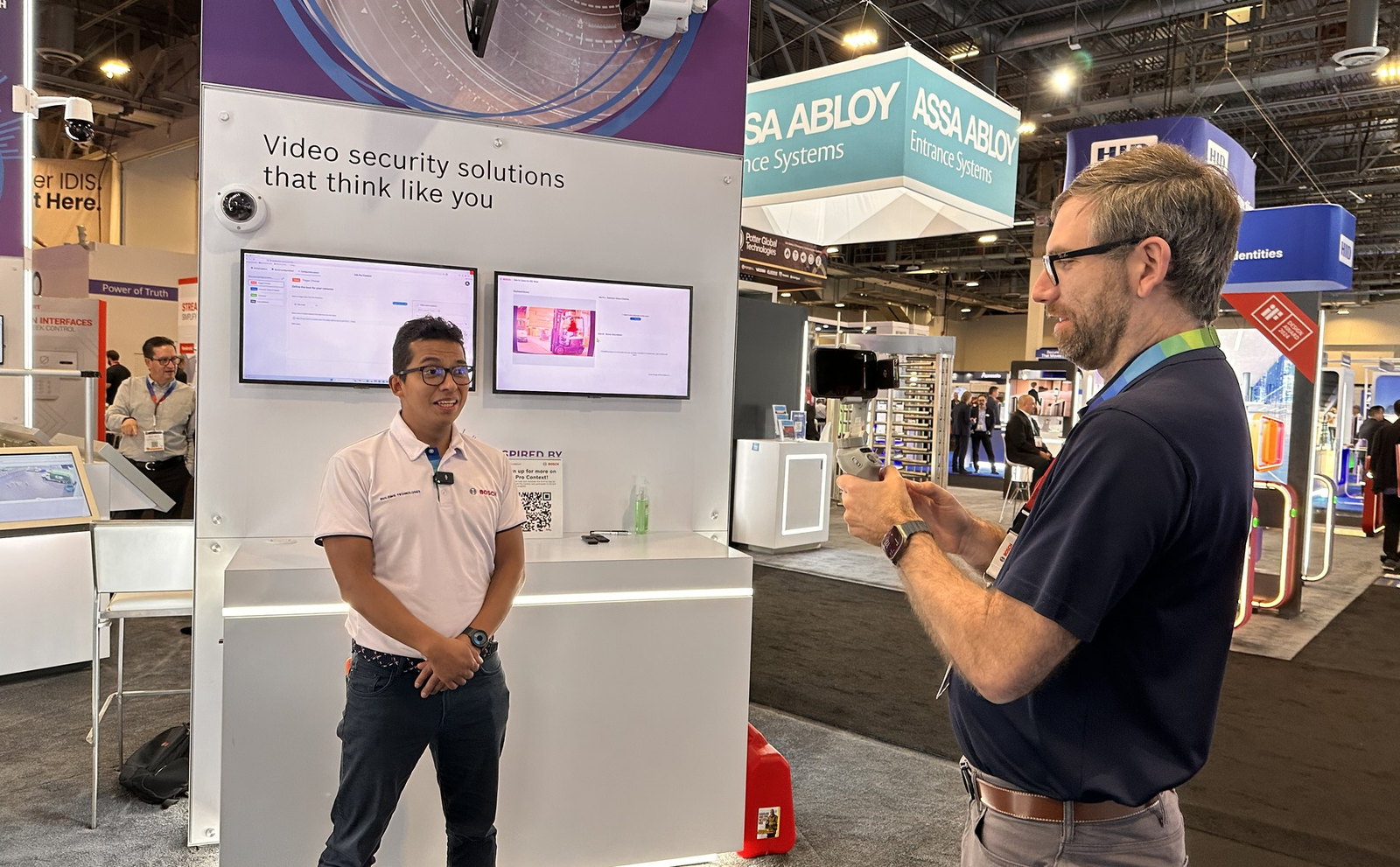
Want the quick summary? The ten-slide version is here.
Walk any trade show floor and you will find the same setup. A camera crew, a lighting rig, a two-person interview at a branded backdrop, and a schedule that was locked three weeks ago. The person on camera is usually a CEO or at least a director. The questions were approved and the answers pre-scripted. The footage goes to an agency, comes back in seven to nine working days, and gets posted by the company channel to an audience that already follows the company.
It is polished and looks professional, yet it performs like a press release, because it basically is.
Meanwhile, 3 feet away, there is an application engineer explaining the same technology to a customer, unprompted, with their hands, because they genuinely think it is the best thing anyone has built this year.
Unscripted, on purpose. That is the person you want on camera.
The employee comes last
Stop
The brand writes it.
Legal clears it.
The platform pushes it out.
The employee is asked to share it.
Four hand-offs before anyone speaks.
The employee goes first
Do this
Ask an engineer what they built.
They publish it themselves.
The brand reuses it after.
The method
Put them on the spot. No script, no dry run, no crew. I film them, they talk. A gimbal and a phone, and a good clip on mic, that is it, nothing else.
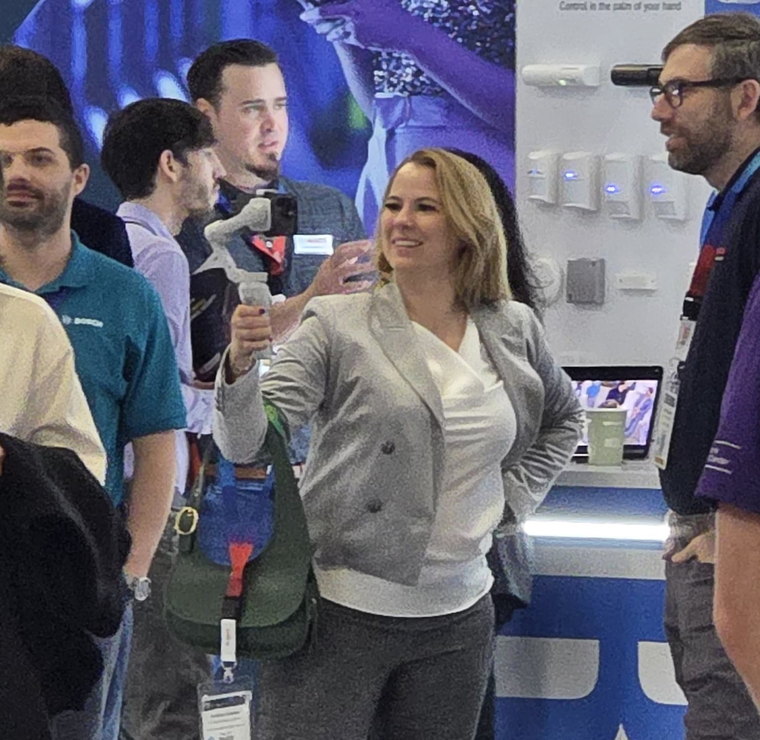
I ask what they are excited about and let them talk. If they go somewhere I did not expect, even better and I follow. It usually takes four minutes total, sometimes two takes, and it is done on the floor, in the noise, with people walking behind them.
Then the important part, and the part almost nobody does: they post it themselves, that day, ideally immediately before they even leave the show floor, to their own channel.
Not the company channel. Theirs.
The company channels reuse the footage afterwards. That order matters, and I will come back to why.
Why it works
Reach that the brand account cannot buy. An engineer with eight hundred connections reaches eight hundred people who actually work in the field, and their feed is not competing with a corporate posting schedule. Even three of them posting the same day out-reaches the company account, and the audiences barely overlap.
Credibility the brand account cannot fake. Nobody believes a company saying its product is exciting. Everybody believes a person who cannot stop talking about the thing they built.
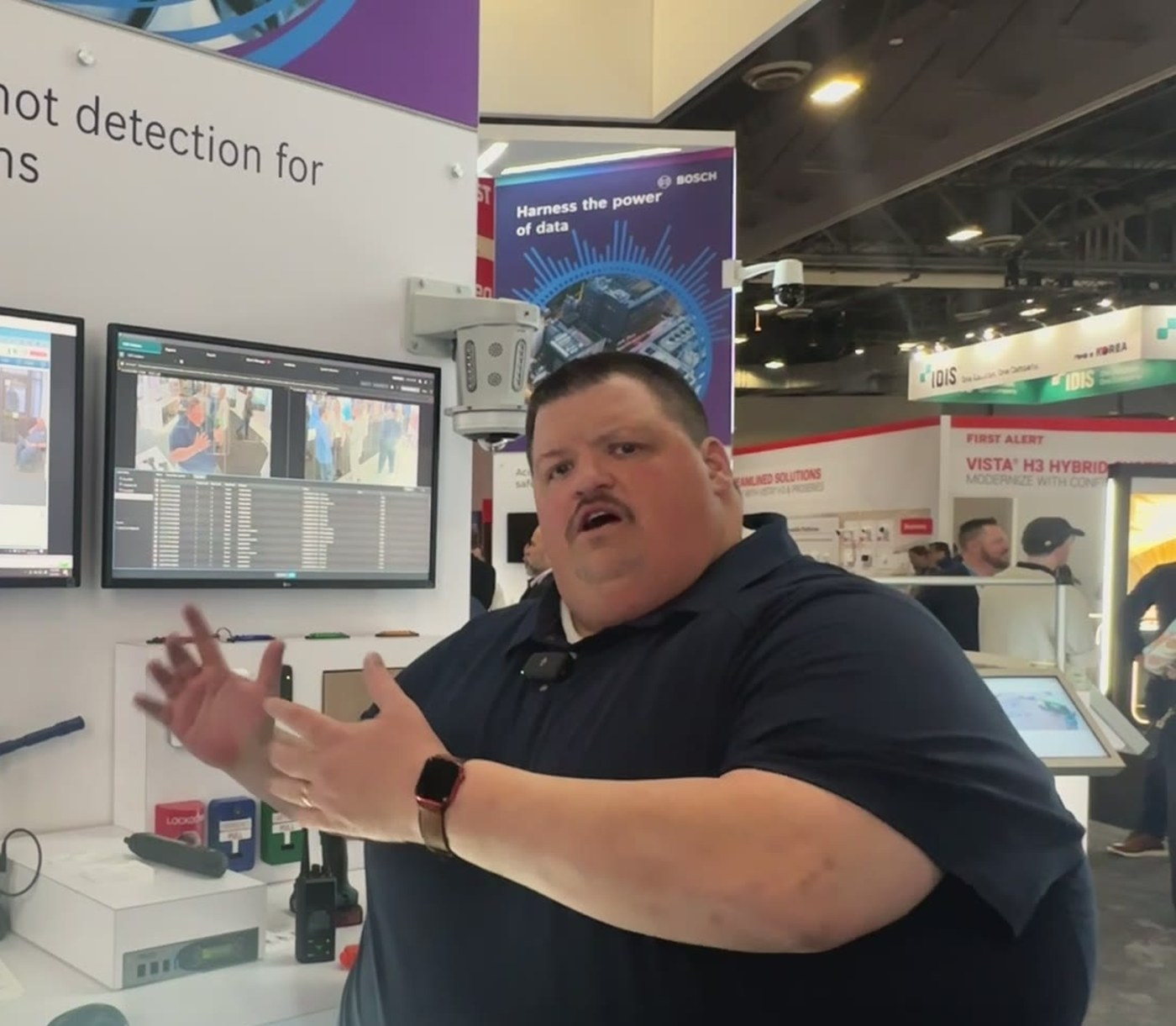
This one I posted myself, before we had the habit and it became the best-performing thing I have ever posted. 34 seconds, one guy and pure conviction - Kevin Kosch at the ISC booth explaining gun detection with his hands. 61,421 impressions. 20 reposts. And lots of pride on both sides of the camera. One take and not one approved sentence in it. See for yourself.
It moves before the news gets stale. A show runs three days. Agency turnaround is in best case seven. By the time polished footage lands, the floor is packed up and the conversation has moved on. Same-day is not a nice-to-have at a trade show, it is the whole window.
And I am not talking about pure highlight reels. This is deep content only someone deep into the topic can produce.
The numbers aren't close
8× the engagement of the same post from the brand account
24× more re-shares
76% trust an employee over the company
MSLGroup · Edelman Trust Barometer
What it actually costs
A gimbal and a mic, because let's face it, the phone you already have.
A phone gimbal. So the walking shots aren't unwatchable.
A clip-on mic. A show floor is loud. This is the one that matters.
Somewhere with signal. They post it before they leave the booth.
That's it. All of it fits in the small purse I carry on the floor. What stops this isn't the equipment.
Charge everything. Bring a power bank. Don't ask why I'm so specific about this.
That is the budget line. The real cost is different: it is the willingness to give up control of the message.
That is where most companies stop. Someone asks what happens if an employee says the wrong thing on camera, and the honest answer is that occasionally they will say something slightly off-message, and it will still outperform the approved version by a wide margin. Plus it is not live, only almost (even though a live walkthrough is even better and I will explain why next time).
This is as low risk high reward as it gets.
No script, so legal has nothing to clear.
No crew, so it actually happens.
The interview is the training.
They published it first, so it's theirs.
The fix is not a script. It is picking people who know the subject, telling them what you are doing and why, and cutting anything they are not happy with. They see it before it goes out. Nobody has ever needed more than that.
What this is not
It is not a content strategy dressed up as authenticity. The employees are not performing enthusiasm, which is why it cannot be rolled out as a mandate. You cannot assign this. You can only find the people who are already doing it in conversation and hand them a camera, right there, on the booth, because you will see and feel yourself who can get customers excited.
It is also not cheap-because-cheap. The unpolished look is a consequence, not a goal. If the footage happened to be beautiful it would still work, it just would not be finished in time.
Authenticity beats script. Every time.
The part that surprised me
I expected this to be a marketing thing. Something I genuinely thought is too good not to try out. Yet, it turned out to be a retention one.
People who get filmed talking about their own work, and then watch their own network respond to it, come back to the booth with an even stronger sense of pride, as they should.
I sent Kevin this article before publishing it. He wrote back:
"That one event has now got me doing them at every event."
A gimbal is not the innovation. Trusting the person holding the product is.